Follow Me On Social Media!

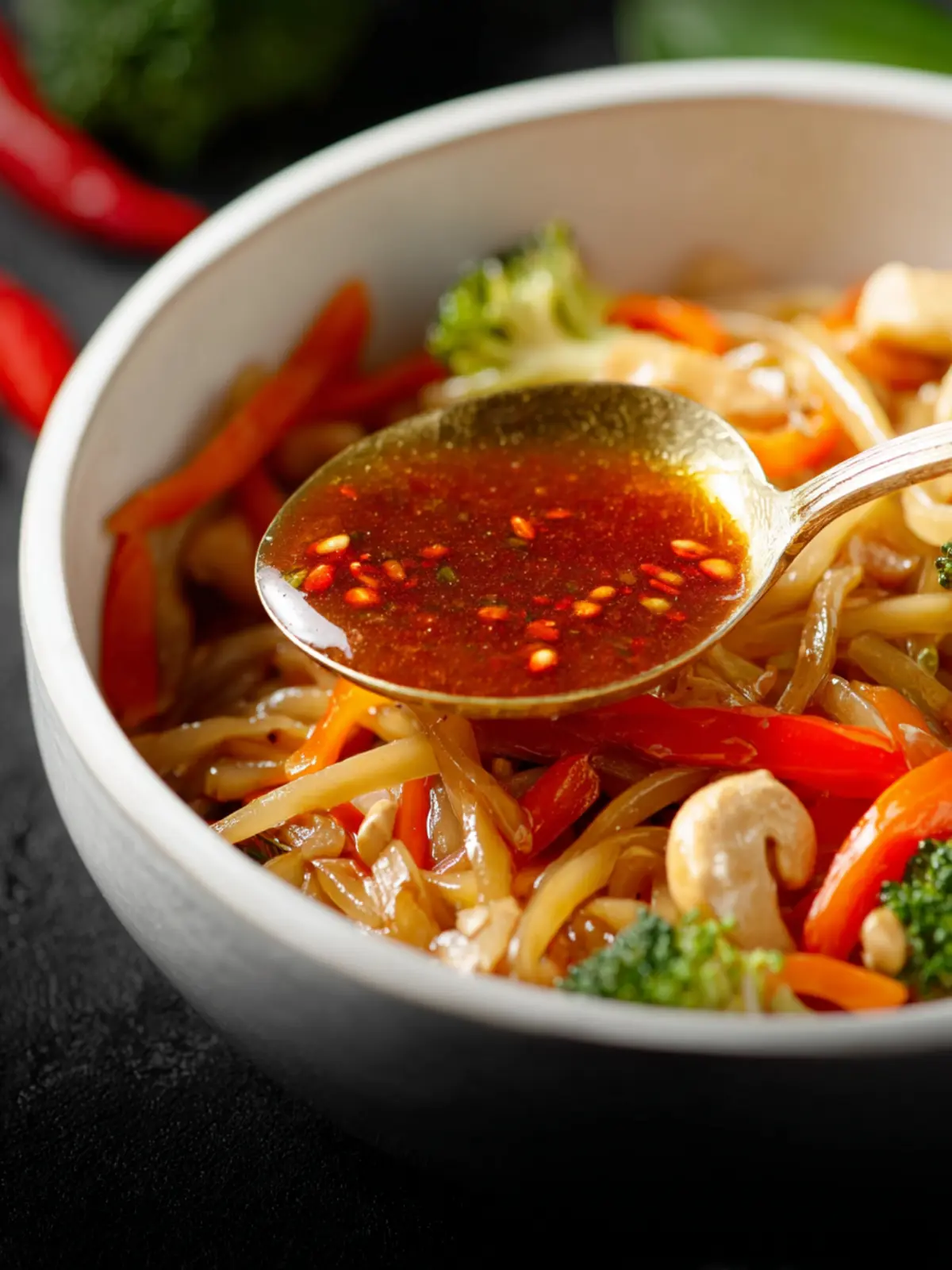
Stir Fry Sauce: The Best Homemade Recipe You’ll Love

Introduction to Stir Fry Sauce
Imagine diving into a bustling market filled with vibrant colors and delicious aromas, where the sizzle of fresh vegetables being tossed in a pan brings the energy of the streets right to your kitchen. This is the beauty of creating your own stir fry sauce, a flavorful elixir that transforms simple ingredients into a quick yet satisfying meal. Whether you’re a novice in the kitchen or someone who thrives on experimenting with different cuisines, learning how to make your own stir fry sauce is a game changer.
So, what exactly makes stir fry sauce a must-have in your culinary arsenal? For one, it’s incredibly versatile. This sauce can elevate ordinary vegetables, protein, and rice, making even the most mundane meals feel exciting. With just a few pantry staples—soy sauce, garlic, ginger, and, depending on your taste, some heat—you can whip up a delicious meal in a matter of minutes.
Another reason to embrace stir fry sauce is its adaptability. Perhaps you have leftover chicken from last night’s dinner or some fresh vegetables that are on their last leg in the fridge. A splash of your homemade sauce can breathe new life into these ingredients, minimizing food waste while packing a flavor punch. Plus, you can easily customize the sauce to suit your dietary preferences. Want it gluten-free? Use tamari instead of soy sauce. Prefer it sweet and spicy? Add honey and chili flakes for an enticing twist.
Lastly, let’s talk about nutrition. A homemade stir fry sauce allows you to control what goes in, avoiding preservatives and excessive sugars commonly found in store-bought versions. By crafting your own concoction, you can whip up a healthy, culinary masterpiece that not only delights the taste buds but also nourishes your body. Before you know it, stir fry sauce will become a staple in your kitchen, making weeknight dinners a breeze and stirring up moments of culinary creativity.
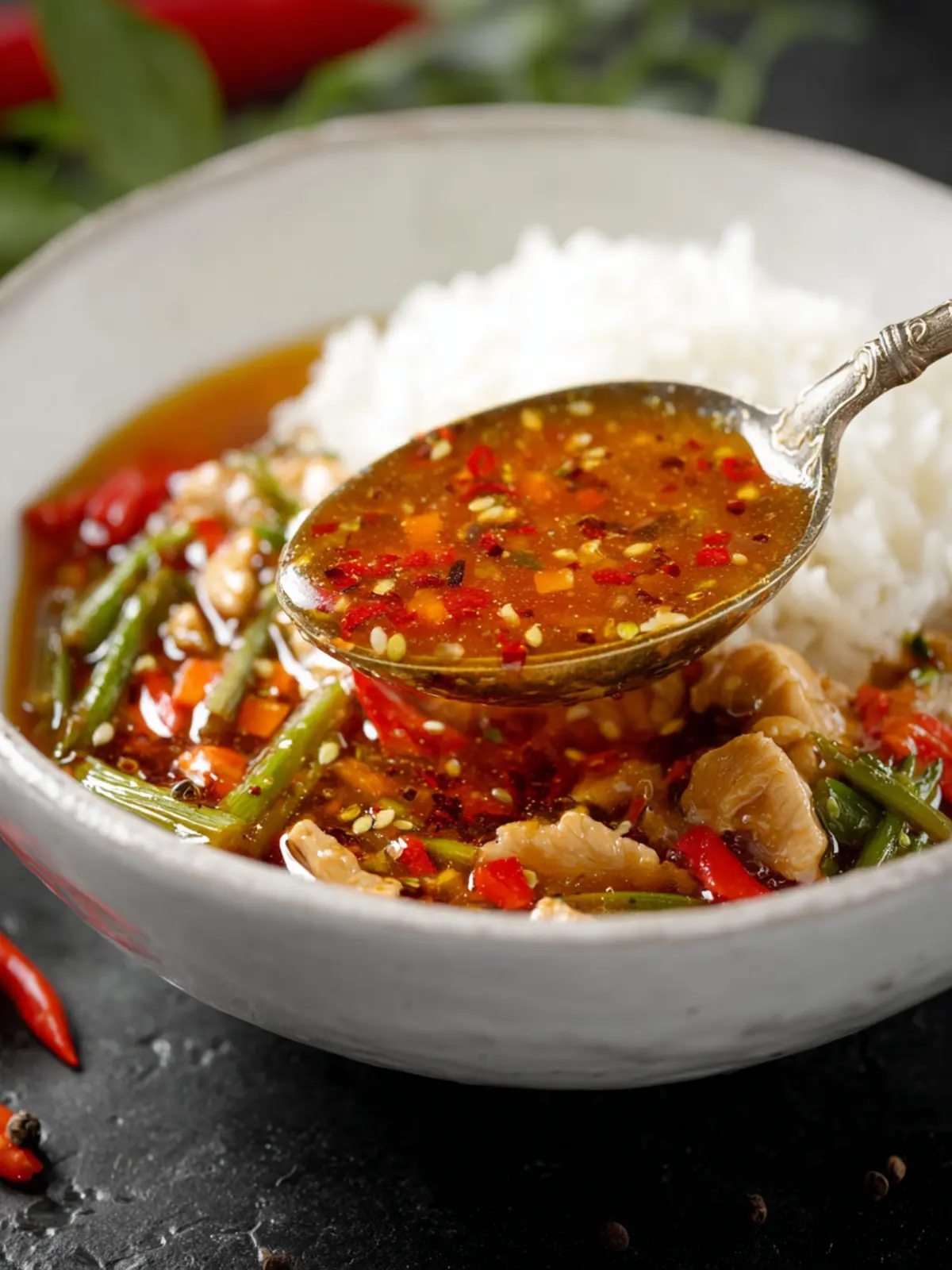
Key Ingredients for Stir Fry Sauce
Crafting the perfect stir fry sauce is an art that can transform a simple dish into a culinary masterpiece. When I decided to whip up a quick weeknight meal, I realized the magic truly lies in the sauce.
Soy Sauce: This is the backbone of your stir fry sauce. I prefer using low-sodium soy sauce, as it offers that umami punch without overpowering the other flavors. It’s savory and tangy, making it perfect for enhancing your veggies and proteins.
Garlic: Fresh garlic brings a delightful aroma and depth to the sauce. Minced or finely chopped, it adds a zesty kick that elevates the entire dish. Plus, it’s been a staple in Asian cooking for centuries!
Ginger: A touch of fresh ginger adds warmth and spice. It pairs beautifully with garlic and complements the soy sauce, giving your stir fry sauce a refreshing zing.
Sesame Oil: Drizzling in a bit of toasted sesame oil at the end imparts a nutty flavor that’s simply irresistible. It’s rich and fragrant, rounding out the sauce perfectly.
Honey or Sugar: A hint of sweetness balances the saltiness of the soy sauce. I often reach for honey, which adds a subtle complexity, but granulated sugar works just as well for a straightforward sweetness.
These ingredients combine to create a stir fry sauce that bursts with flavor and complements any combination of your favorite proteins or veggies!
Why You’ll Love This Stir Fry Sauce
Imagine whipping up a vibrant, colorful dish of stir-fried vegetables and protein that’s bursting with flavor, all thanks to a stir fry sauce that elevates your meal to a whole new level. This sauce is more than just a simple addition to your dish; it’s a game changer that can transform your culinary creations from mundane to mouthwatering.
Easy and Versatile
What’s fantastic about this stir fry sauce is its adaptability. It combines soy sauce, garlic, and ginger to create a perfect balance of salty, sweet, and savory flavors. Whether you’re preparing chicken, tofu, or a medley of seasonal veggies, this sauce harmonizes beautifully, allowing each ingredient to shine. Plus, it takes mere minutes to prepare!
Healthier and Homemade
You might be surprised to learn that making your own stir fry sauce can be healthier than store-bought options. Why? You can control the ingredients, reducing sodium and left-over preservatives. With this quick recipe, you’ll be in full control of what goes into your meals, ensuring they’re both nutritious and delicious.
Time-Saver Extraordinaire
For busy professionals, time is often of the essence, and this stir fry sauce is a true lifesaver. With a simple mixture ready in just minutes, you can whip up a nutritious meal even on the busiest of nights. Say goodbye to fast food and hello to quick, homemade dinners!
Indulge in the ease and flavor of this stir fry sauce, and you’ll quickly see why it’s a staple in my kitchen for weeknight meals.
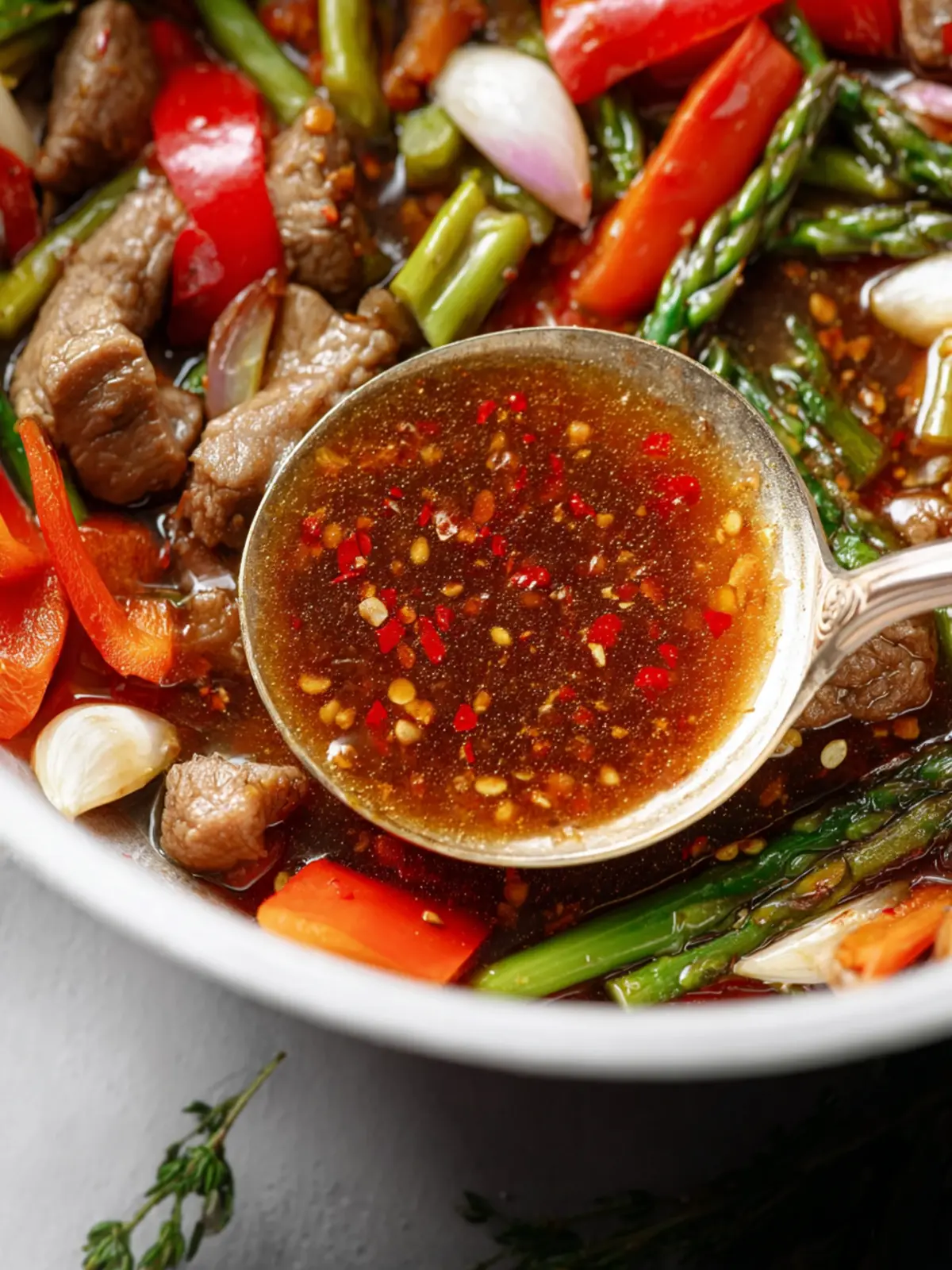
Variations of Stir Fry Sauce
Exploring the diverse world of stir fry sauce can turn a simple weeknight meal into a culinary adventure. The beauty of stir fry lies in its adaptability, and the sauce is where you can infuse your personality and preferred flavors. Here are some exciting variations that can elevate your home cooking experience.
Soy Sauce Base
Starting with a classic base is always a good move. Traditional soy sauce creates a salty, umami-rich foundation. Adding a splash of rice vinegar or lemon juice can brighten the flavor, while a bit of sesame oil introduces a nutty undertone that complements stir-fried vegetables and proteins splendidly.
Sweet and Savory
Have a sweet tooth? Mix in honey or brown sugar with your stir fry sauce for a delightful contrast. This version pairs beautifully with chicken or shrimp, creating a balanced bite that’s hard to resist. Just remember to adjust the saltiness accordingly, or else you might overpower the sweetness.
Spicy Kick
If you’re looking to crank the heat, consider adding sriracha or red pepper flakes. This spicy variation ramps up the flavor profile and works exceptionally well with beef or tofu stir-fries. It’s a fantastic way to impress friends who love a little heat in their meals!
Coconut Variation
For those intrigued by tropical flavors, a coconut milk-based stir fry sauce can be a game changer. Just blend coconut milk with ginger, garlic, and lime juice for a creamy, aromatic sauce that pairs well with shrimp and colorful veggies.
Each of these variations adds a unique twist to your stir fry, encouraging you to experiment and find what suits your palate best!
Cooking Tips and Notes for Stir Fry Sauce
The magic of stir fry sauce can elevate your midweek meals in no time, turning ordinary veggies and proteins into a flavor-packed delight. As a huge fan of quick dinners, I’ve learned a few tips and tricks along the way that can help you make the most of your stir-frying experience.
Experiment with Variations
Feel free to explore different flavor combinations! While soy sauce is a staple, adding oyster sauce or hoisin sauce can introduce a new depth. Why not try a dash of sriracha for some heat, or a splash of rice vinegar for tang?
Fresh Ingredients
Always opt for fresh ingredients when possible. The quality of your veggies and proteins will directly affect the taste of your final dish. A colorful array not only tastes better but also makes your meal visually appealing.
Timing is Key
When cooking, have all your ingredients prepped and ready to go. Stir frying happens quickly, so you won’t have time to chop vegetables as the pan is sizzling away. Keeping everything organized allows for a smoother cooking experience.
Sauce Adjustment
Taste your stir fry sauce before adding it to the pan. Depending on your personal preference, feel free to adjust the sweetness, saltiness, or spiciness to create your perfect balance! Your taste buds will thank you.
These tips are here to guide you towards a superb stir frying adventure, so grab your ingredients and get cooking!
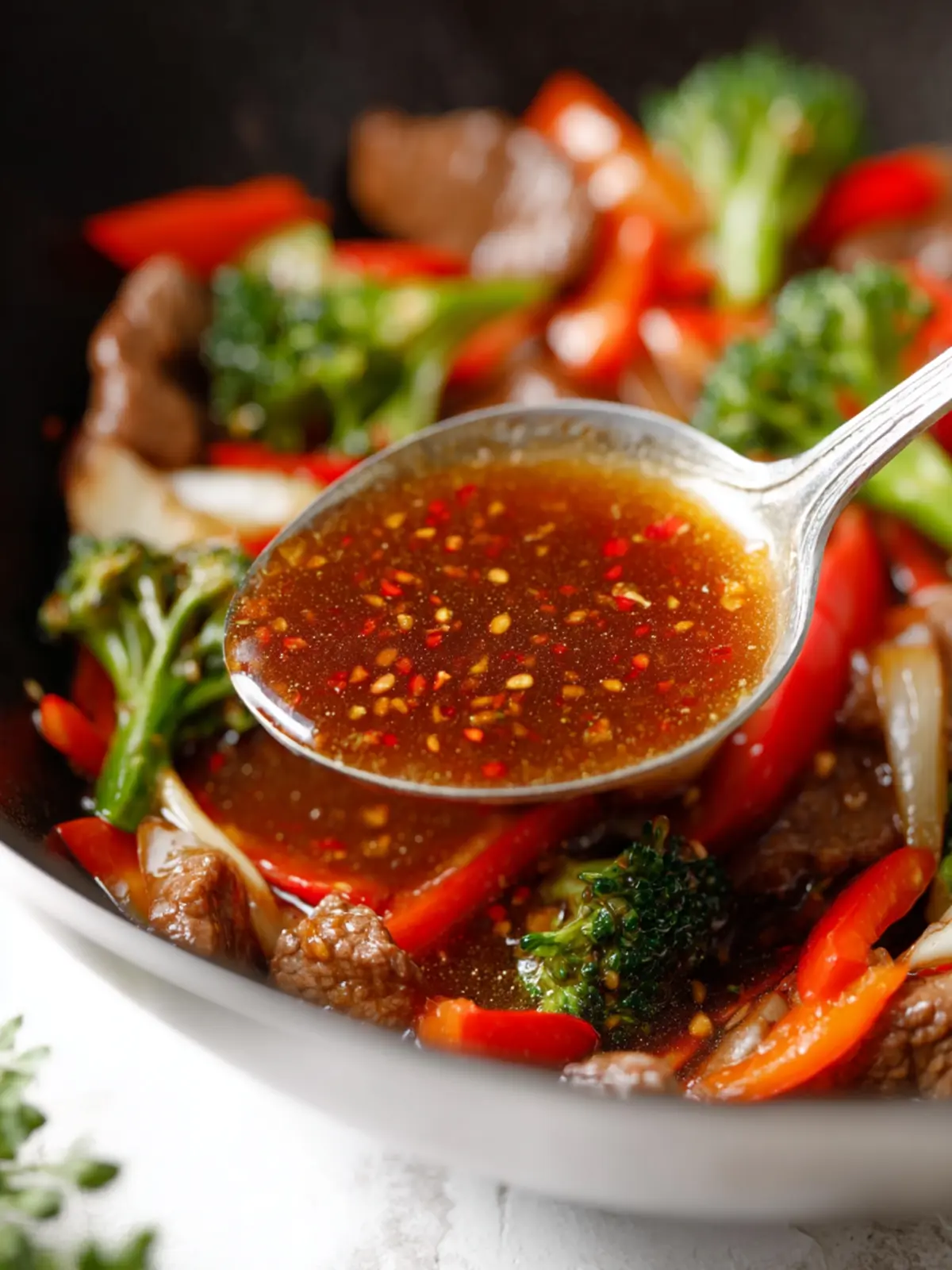
Serving Suggestions for Stir Fry Sauce
When you whip up a batch of stir fry sauce, the possibilities for delicious meals are wide open. This savory sauce doesn’t just elevate your stir-fries; it opens up a world of culinary creativity that can impress anyone at your dinner table.
Pairing with Proteins
One of the best ways to enjoy your homemade stir fry sauce is by tossing it with proteins like chicken, beef, or tofu. Each protein absorbs the sauce’s rich flavor differently, allowing you to tailor your dish to your liking.
Vegetable Combinations
For a colorful and nutritious meal, load your stir fry with vibrant vegetables like bell peppers, broccoli, and snap peas. They not only add texture but also complement the sauce’s umami profile beautifully.
Serving over Grains or Noodles
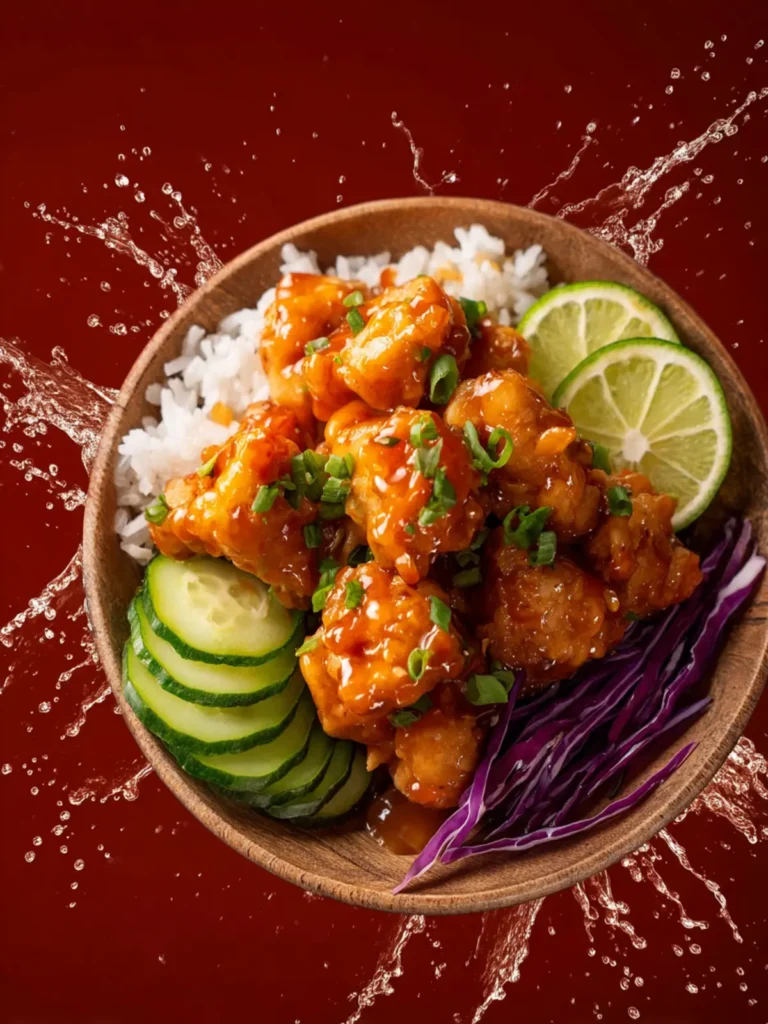
A bed of fluffy rice or lo mein noodles makes for the perfect vehicle for your stir fry. The grains soak up every drop of that tantalizing sauce, making each bite a flavorful experience.
By merging these elements, you’ll create a dish that’s both satisfying and scrumptious, making mealtime an exciting occasion. Whether it’s a weeknight dinner or a casual get-together, your stir fry sauce will surely be the star!
Time Breakdown for Making Stir Fry Sauce
Crafting a delicious stir fry sauce can transform your weeknight dinners, bringing a burst of flavor that pairs perfectly with your favorite veggies and proteins. Here’s a quick breakdown of the time you’ll need.
Preparation Time
In just about 10 minutes, you can gather and mix your ingredients. A sharp knife and a trusty whisk will be your best friends here!
Cooking Time
Once your sauce is ready, allow about 5 minutes for it to heat and meld on the stove. This step is key to maximizing those robust flavors.
Total Time
Overall, you’re looking at around 15 minutes from start to finish. That’s just enough time for a quick cleanup before serving your stir fry!
Nutritional Facts for Stir Fry Sauce
Creating the perfect stir fry sauce isn’t just about flavor; it’s also important to consider its nutritional profile. With just a few key ingredients, this sauce can be both delicious and nutritious.
Calories
A typical serving of homemade stir fry sauce contains about 50 calories. This low-calorie count makes it an excellent choice for those watching their intake while still craving vibrant flavors.
Protein
You’ll find that stir fry sauce offers minimal protein, generally under 1 gram per serving. While it primarily enhances the dish rather than contributes substantial protein, pairing it with protein-rich ingredients can balance your meal perfectly.
Sodium
One of the biggest considerations with stir fry sauce is sodium. A standard serving can contain around 600-800 mg of sodium, largely due to soy sauce. It’s wise to adjust this to your taste and health needs, opting for low-sodium versions or using less sauce, if preferred.
FAQs about Stir Fry Sauce
When considering how to elevate your weeknight dinner, a well-crafted stir fry sauce can make all the difference. Many home cooks find themselves wondering how they can personalize this versatile blend to suit their taste or dietary needs. Let’s explore some frequently asked questions to turn your stir-fry creations into culinary masterpieces.
How can I customize my stir fry sauce?
Customizing your stir fry sauce is an exciting way to make it your own. Here are some ideas:
- Adjust sweetness: Incorporate honey or maple syrup for a hint of sweetness, depending on your preference.
- Add heat: A splash of sriracha or a pinch of red pepper flakes can give your sauce a kick.
- Flavor boost: Experiment with additional aromatics like minced garlic, ginger, or green onions to enhance the flavor profile.
What alternatives can I use for soy sauce?
If soy sauce isn’t your go-to, fear not! There are several alternatives that can still create a delicious stir fry sauce:
- Tamari: A gluten-free option that delivers a similar umami flavor.
- Coconut aminos: A sweeter and less salty choice, perfect for those looking to reduce sodium.
- Liquid aminos: Also gluten-free, this option has a savory taste, though slightly different from traditional soy sauce.
How do I store homemade stir fry sauce?
Storing your homemade stir fry sauce is simple:
- In the refrigerator: Keep it in an airtight container, and it will last up to two weeks. Ensure the container is clean to maximize freshness.
- For longer storage: Consider freezing it in ice cube trays. Once frozen, transfer the cubes to a zip-top bag, and you can pop out a portion anytime you’re ready to stir fry!
Utilizing these tips not only saves time but also enhances your meal prep. Now that you’re equipped with these insights, it’s time to start experimenting with your very own stir fry sauce!
Conclusion on Stir Fry Sauce
In wrapping up our exploration of stir fry sauce, it’s evident that mastering this versatile condiment can elevate your home cooking to new heights. This savory blend not only enhances your vegetables and proteins but also celebrates the vibrant flavors of your favorite ingredients. Remember, you can adjust the sweetness, saltiness, and spiciness of your sauce to suit your palate, making it truly yours. With just a few ingredients and simple steps, you can whip up a stir fry sauce that transforms any meal into a delicious experience. So, grab those fresh vegetables and proteins, and let your culinary creativity soar!
Print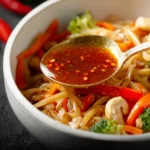
Stir Fry Sauce
- Total Time: 15 minutes
- Yield: 4 servings 1x
- Diet: Vegetarian
Description
A delicious stir fry sauce that complements any protein and vegetables.
Ingredients
Scale
- ½ cup vegetable broth (or water; approx. 120ml or 120g)
- ¼ cup soy sauce (approx. 60ml or 60g)
- 2 tbsp brown sugar (packed; approx. 26g)
- 1 tbsp sesame oil (approx. 15ml or 13g)
- 1 tbsp cornstarch (approx. 15g)
- ½ tbsp rice vinegar (unseasoned preferred; approx. 7 or 7g)
- 4 cloves garlic (minced; approx. 2 tablespoons or 28g)
- 1 tsp fresh ginger (grated; approx. 5ml or 5g)
- ½ tsp ground black pepper (approx. 1g)
- 1 tsp fresh cayenne pepper (finely minced (optional, or sub with 1/2 tsp red pepper flakes))
Instructions
- Add all ingredients to a jar with a lid. Shake well until fully combined. Alternatively, whisk together in a small bowl.
- Heat a drizzle of vegetable oil in a large skillet or wok over high heat. Add your choice of protein and cook until golden and cooked through.
- Add chopped vegetables and sauté for 1–2 minutes, just until vibrant and crisp-tender.
- Pour in the stir fry sauce and stir to coat. Cook for 2–3 minutes, or until the sauce thickens and everything is well coated.
- Remove from heat and serve immediately over rice or noodles.
Notes
- This sauce can be adjusted based on personal preference and the ingredients available.
- It pairs well with chicken, beef, tofu, and a variety of vegetables.
- Prep Time: 10 minutes
- Cook Time: 5 minutes
- Category: Sauces
- Method: Stir-Frying
- Cuisine: Asian
Nutrition
- Serving Size: 1/4 cup
- Calories: 80
- Sugar: 5g
- Sodium: 800mg
- Fat: 3g
- Saturated Fat: 0.5g
- Unsaturated Fat: 2.5g
- Trans Fat: 0g
- Carbohydrates: 10g
- Fiber: 0g
- Protein: 1g
- Cholesterol: 0mg