Follow Me On Social Media!

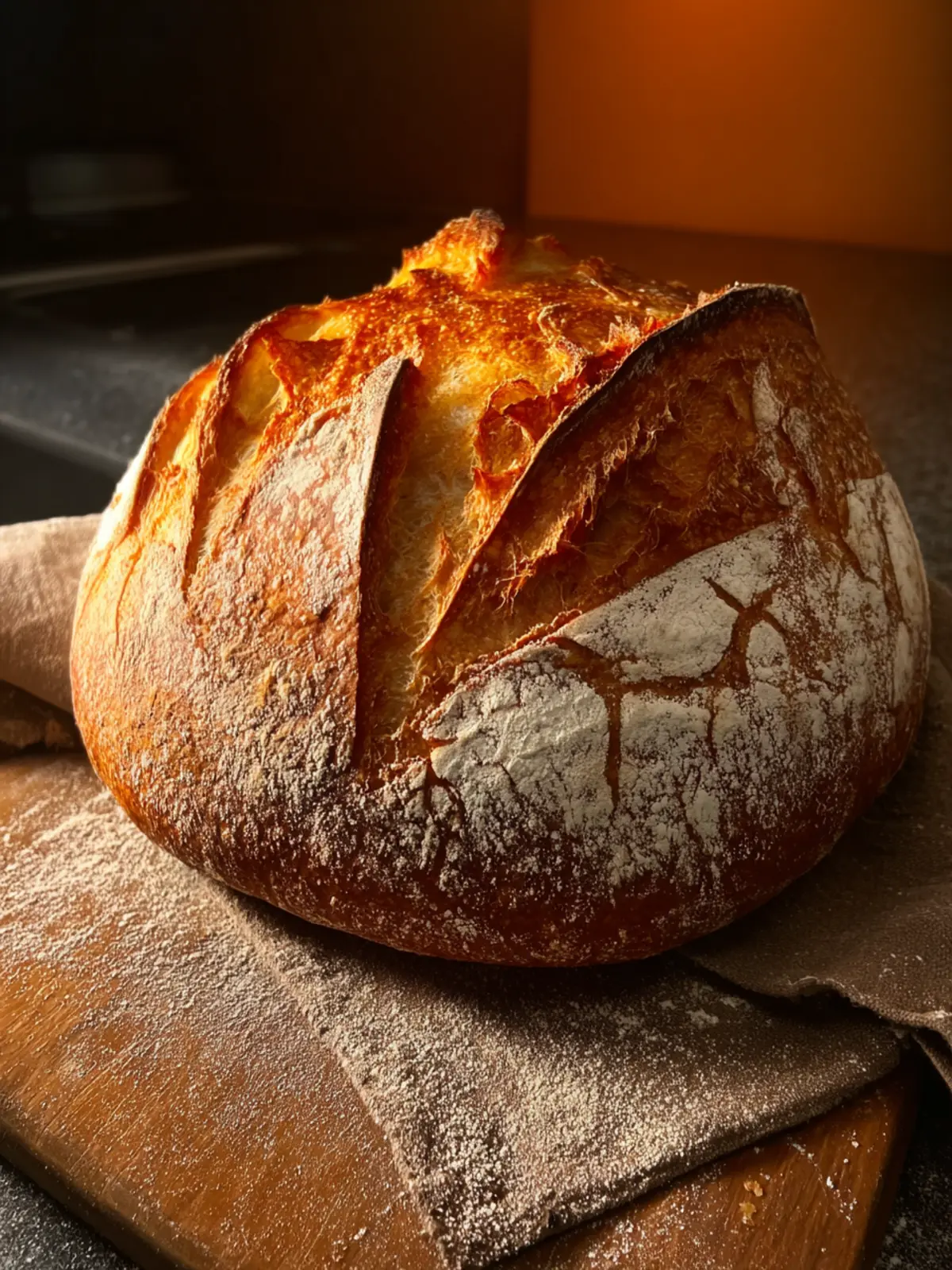
Sourdough Bread Made Easy: Your New Weekend Ritual

Introduction to Easy Sourdough Bread
Creating homemade sourdough bread can feel like unlocking a hidden treasure, an ancient art that connects past and present through the warm aroma of baking in your own kitchen. Picture this: a loaf that is crusty on the outside, yet soft and chewy on the inside, with a flavor that dances between tangy and earthy. This is not just any bread; it’s a masterpiece born from simple ingredients and a little patience.
The Joy of Homemade Sourdough
There’s something incredibly satisfying about crafting your own sourdough bread. It’s more than just the end product; it’s the journey of nurturing a living culture. Sourdough starter, the magical blend of flour and water, ferments and bubbles, bringing life to your loaf. Unlike store-bought bread, which often has a long list of preservatives and artificial ingredients, your homemade version is natural and wholesome.
As you embark on this adventure, you’ll experience the rewarding ritual of feeding your starter, observing its transformation, and eventually creating a rustic loaf that you can proudly serve at your table. Imagine a fresh slice of sourdough bread, toasted and slathered with butter, or perhaps a comforting sandwich filled with your favorite ingredients. The mere thought can make anyone’s mouth water!
A few tips to get started:
-
Patience is Key: Allow your starter to develop flavor over time. Don’t rush the fermentation process; good things take time!
-
Embrace the Process: Baking is as much about the experience as it is about the outcome. Enjoy the tactile nature of kneading dough, the way it feels in your hands.
-
Experiment: Sourdough is versatile. Don’t hesitate to try adding herbs, seeds, or even fruits to your loaves for unique flavors.
Whether you’re a seasoned baker or trying your hand at sourdough bread for the first time, the process promises to be fulfilling. So roll up your sleeves, gather your ingredients, and let’s get ready to bake some magic in your kitchen!
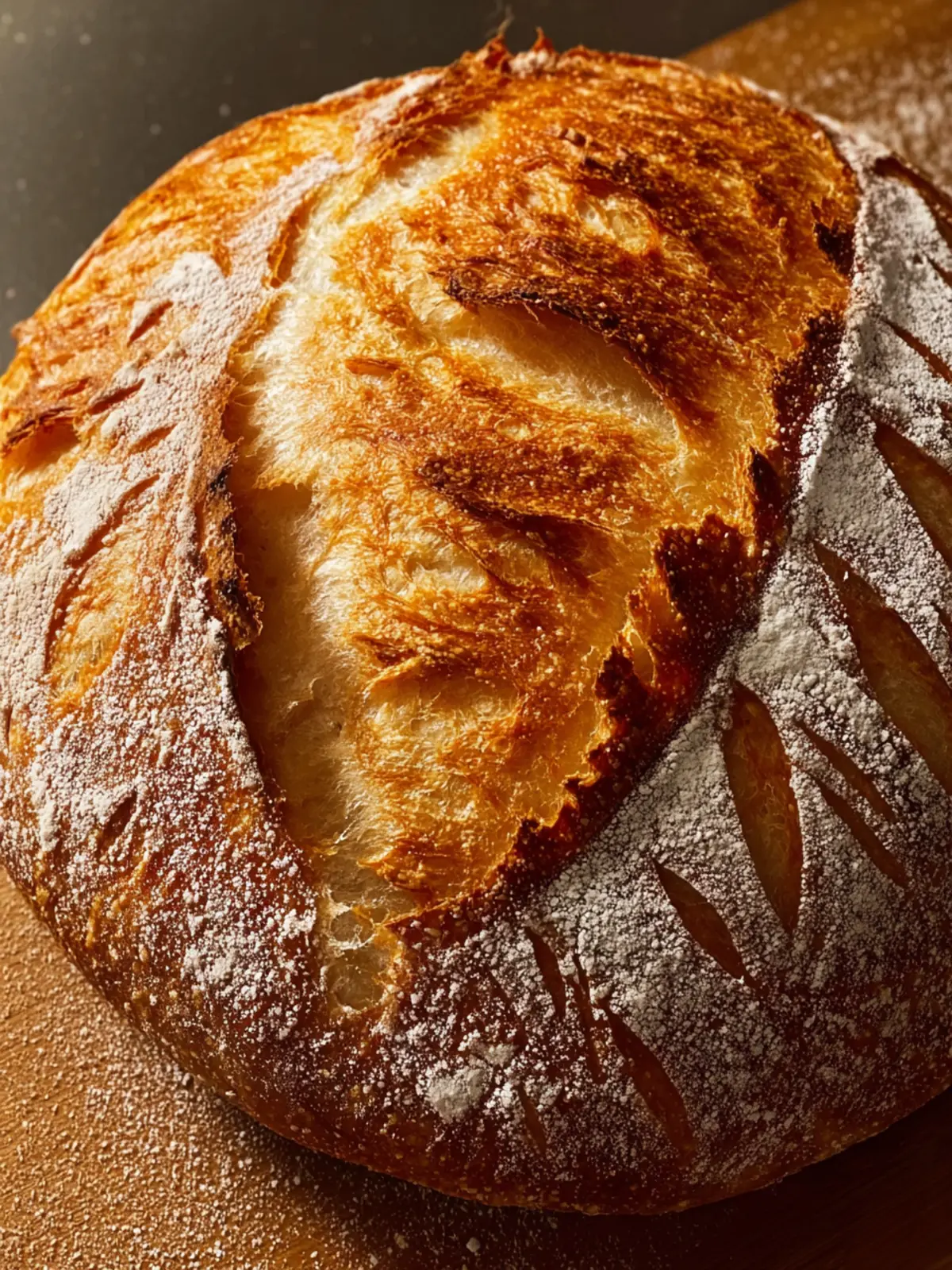
Key Ingredients for Easy Sourdough Bread
Sourdough starter
The soul of sourdough bread lies in your sourdough starter, which gives the bread its distinct tang and rise. Think of it as the backbone of your baking journey. Maintaining it is surprisingly simple—just feed it regularly! Whether you use an unfed or active starter, the results can be magical, bringing that rich flavor and airy texture that’s so irresistible.
Water
Next up is water. Using room-temperature water is key—it helps to activate the starter without shocking it. Water is crucial for hydration and achieving that perfect, chewy texture of the loaf. Don’t underestimate its importance in creating awesome sourdough bread!
Flour
For the best results, I suggest using all-purpose or bread flour. Both provide a fantastic balance, allowing the star flavors to shine while ensuring that you have a sturdy dough. And hey, if you’re low on options, just use what you have on hand—no need to complicate things!
Salt
Finally, we have salt. It’s not just a seasoning; it’s essential for flavor and strengthens the dough’s structure. A pinch of salt makes all the difference in ensuring your sourdough bread turns out scrumptious and satisfying. Remember, balance is key!
Why You’ll Love This Recipe
Perfect for busy lifestyles
Imagine walking into your home after a long day, greeted by the warm, comforting aroma of sourdough bread baking in the oven. That’s exactly what this recipe delivers. It beautifully marries simplicity with flavor, making it perfect for those with bustling schedules.
With just a few minutes of active prep time, you can create a loaf that not only fills your kitchen with a delicious scent but also nourishes your body and soul. The best part? The slow fermentation process allows you to mix the dough one evening and shape it just before bedtime. In the morning, while you enjoy your coffee, your sourdough bread is rising effortlessly, ready for baking.
Here are a few reasons this recipe fits seamlessly into a busy lifestyle:
- Minimal intervention: Once mixed, the dough does most of the work for you, freeing up your time.
- Great for meal prep: Make a larger batch and freeze individual loaves for later use.
- Versatile uses: From sandwiches to toast, this bread complements your meals, making it a wonderful addition to any busy week.
You’re just a few steps away from experiencing the joy of homemade sourdough bread, perfect for your dynamic life!
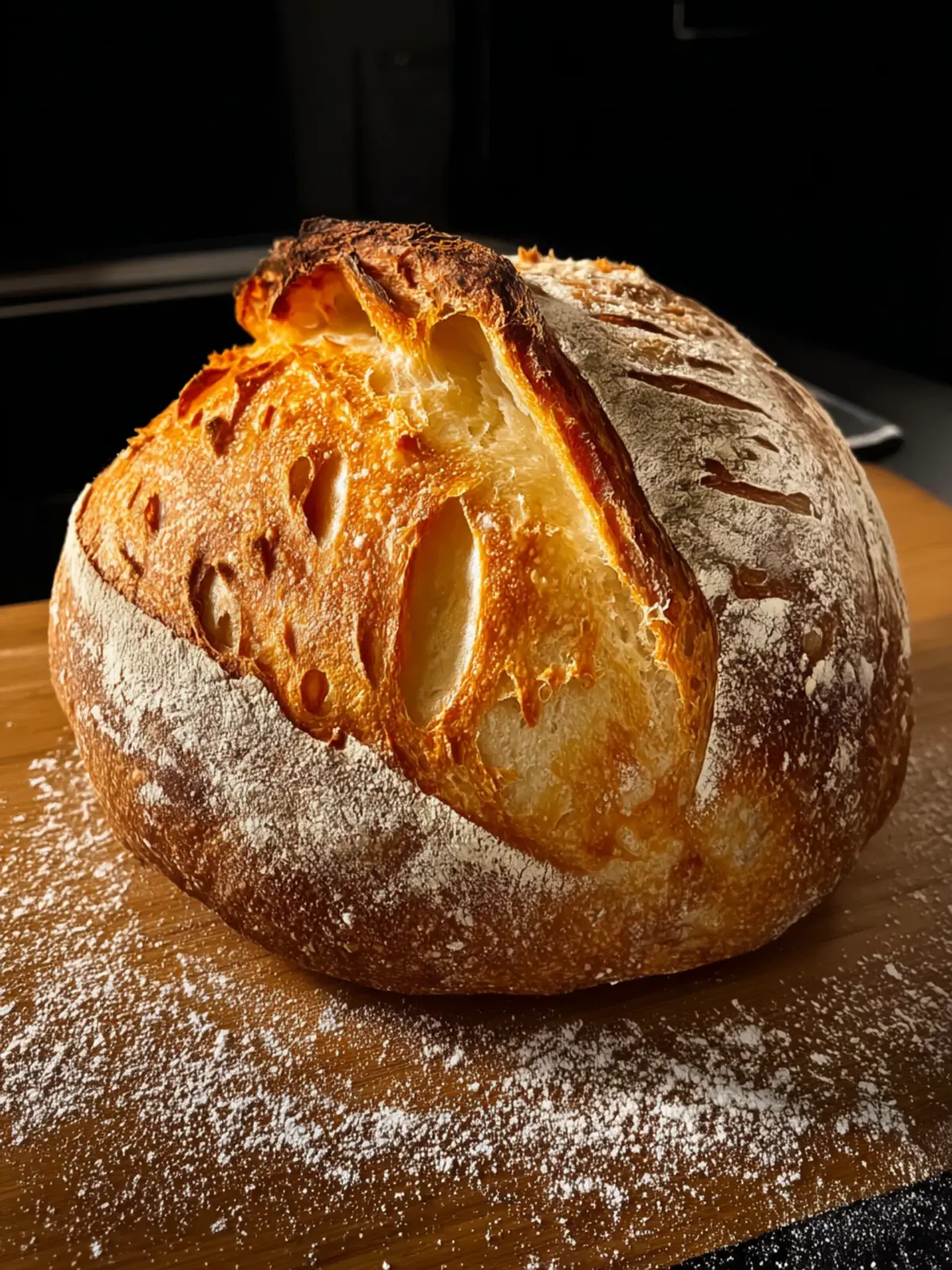
Tips for Making Perfect Sourdough Bread
Creating the ideal sourdough bread is both an art and a science—a delightful journey that transforms simple ingredients into a rustic masterpiece. Here are some essential tips to elevate your baking game and achieve that perfect crumb.
Mixing and Fermentation Advice
-
Hydration Matters: The hydration level of your dough can significantly affect the texture. A wetter dough typically results in a more open crumb, which is desirable in sourdough. Don’t be afraid to experiment with water ratios, but remember to adjust your mixing technique accordingly.
-
Kneading Technique: Rather than traditional kneading, try using the stretch and fold method. This gentle technique helps develop gluten without overworking the dough, enhancing its elasticity and resulting in a beautiful sourdough structure.
-
Fermentation Time: Patience is key during fermentation. Letting your dough rise more slowly at lower temperatures (cold fermentation) can enhance flavor complexity. If you can, allow your dough to ferment in the refrigerator overnight—this brings out the tangy notes loved in sourdough bread.
-
Watch for Bubbles: During the bulk fermentation phase, look for bubbles forming on the surface or sides of your dough. This indicates that the wild yeast and bacteria are active and working their magic, helping to develop flavor and texture.
Following these tips will guide you toward baking that perfect loaf of sourdough bread that you can proudly share (or keep all to yourself). Happy baking!
Time Breakdown for Easy Sourdough Bread
Understanding the timeline for making your sourdough bread can empower you to fit this delightful baking adventure into your busy schedule. Knowing how much time to allocate ensures you achieve that perfect crust and chewy interior.
Preparation time
Start with a leisurely preparation time of about 30 minutes. This is when you’ll gather your ingredients, mix your starter, and knead your dough. Having everything ready to go helps set the stage for success.
Bulk fermentation time
Next up is bulk fermentation, which typically takes around 4 to 6 hours. During this period, your dough will rise and develop those lovely flavors. Make sure to check on it periodically; you’ll see it grow and become bubbly!
Baking time
Finally, the baking time will be approximately 30 to 40 minutes. While your kitchen fills with the inviting aroma of freshly baked bread, you’ll know your patience has paid off!
Before you know it, you’ll have a delicious loaf of sourdough bread ready to slice!
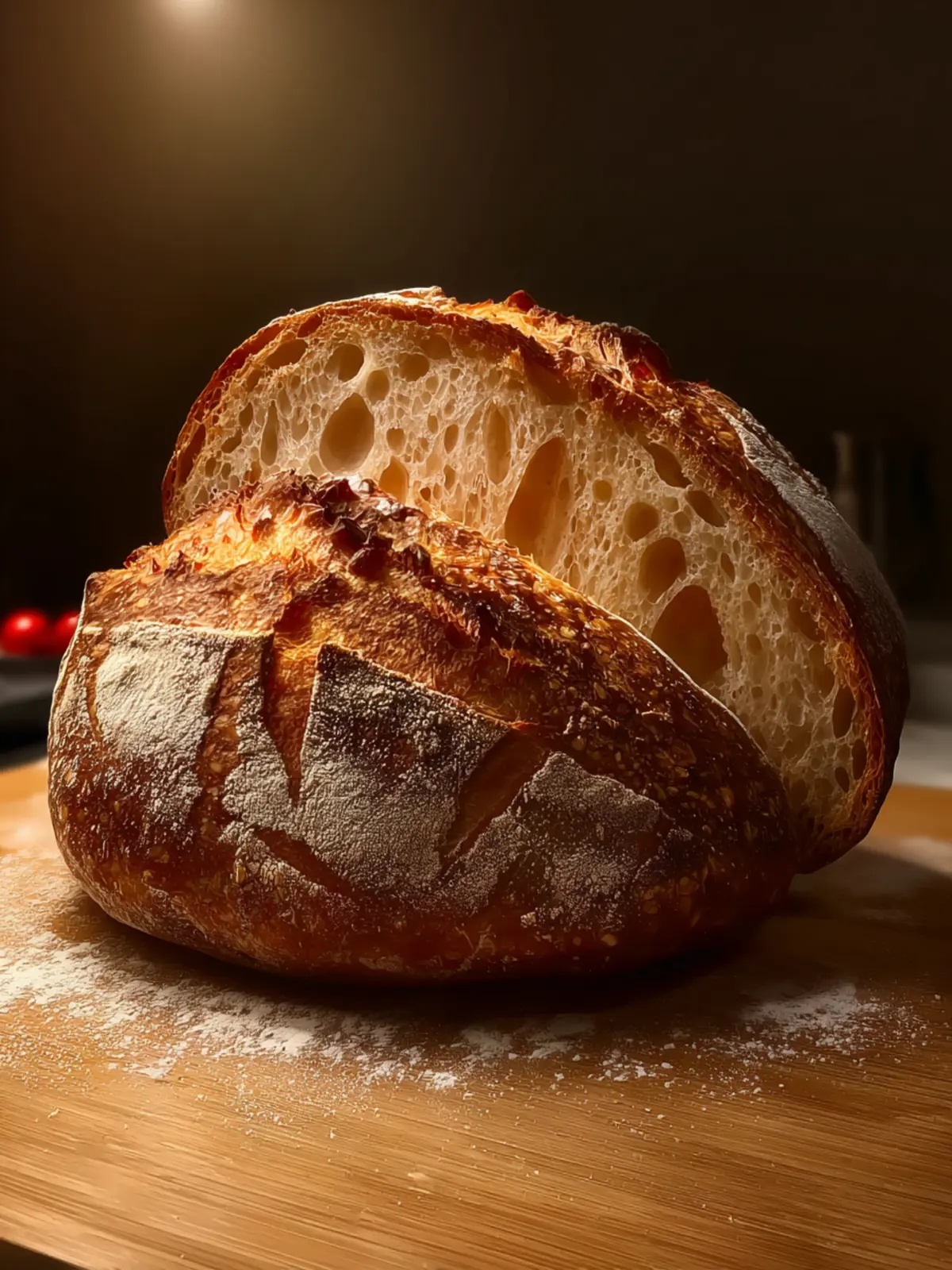
Nutritional Facts for Easy Sourdough Bread
When savoring a slice of fresh sourdough bread, it’s fascinating to understand its nutritional profile. Each loaf is a delightful balance of taste and nutrition, making it a fantastic addition to your meals.
Calories
A single slice of homemade sourdough bread typically contains about 80-100 calories. This makes it a great option for those looking to enjoy bread without feeling guilty.
Carbohydrates
You’ll find that each slice is packed with approximately 15-20 grams of carbohydrates. These carbs provide the energy you need to power through your day.
Fiber
One of the great benefits of sourdough bread is its fiber content, which usually ranges around 1-2 grams per slice. This fiber aids digestion and helps keep you feeling fuller longer.
Understanding these nutritional facts can help you appreciate your next slice of sourdough bread even more!
FAQs about Easy Sourdough Bread
Baking sourdough bread might seem challenging at first, but with a few tips, you can master it and impress everyone around you. Here are some common questions that bakers often ask while creating their perfect loaf.
Why is my sourdough bread dense?
One reason your sourdough bread might turn out dense is insufficient gluten development. Make sure to knead your dough adequately to promote gluten formation, which provides structure. Another factor could be a weak sourdough starter; if it’s not bubbly and active, the fermentation process can stall, resulting in bread that lacks volume. Always check that your dough has risen well during the proofing stage; don’t rush this part!
How can I improve my sourdough starter?
To ensure your sourdough starter is healthy and ready for baking, consider these tips:
- Feeding Ratio: Use equal parts of water and flour by weight for consistent results.
- Room Temperature: Always keep your starter at a warm room temperature for optimal fermentation.
- Regular Feedings: Aim to feed your starter at least once every 24 hours when kept at room temperature. If you’re not using it, a weekly feeding in the fridge should suffice.
- Consistency: It should be like a thick pancake batter. Adjust hydration if necessary by adding a bit more flour or water.
Can I use whole wheat flour for sourdough?
Absolutely! Whole wheat flour can add a wonderful flavor and nutritional boost to your sourdough bread. However, because of its higher density, you might want to mix it with all-purpose flour for a lighter texture. A common ratio is 50% whole wheat to 50% all-purpose; this provides the health benefits of the whole wheat while maintaining the fluffiness of the loaf.
Conclusion on Easy Sourdough Bread
Baking your own sourdough bread is not only a rewarding experience but also an opportunity to impress friends and family with your culinary creativity. Reflecting on the process from mixing the ingredients to witnessing that beautiful rise in the oven, you’ll find a deep sense of satisfaction that store-bought loaves simply can’t replicate. Don’t hesitate to experiment with different flours or hydration levels to find what you love best. Remember, the key to mastering sourdough is patience and practice, so embrace the journey. Soon enough, you’ll have a warm loaf that’s perfect for sandwiches or simply slathered with butter!
Print
Easy Sourdough Bread
- Total Time: 12 hours 55 minutes
- Yield: 1 loaf 1x
- Diet: Vegetarian
Description
This easy sourdough bread recipe produces a crusty, flavorful loaf that’s perfect for sandwiches or toast.
Ingredients
Scale
- 165g sourdough starter (unfed/hungry or active)
- 400g room-temperature water
- 650g all-purpose or bread flour
- 15g salt
Instructions
- Use a kitchen scale and add each ingredient to a bowl, resetting the scale after every addition. Start by mixing the starter with the water, then add the flour and salt. Stir everything together until fully combined, which usually takes around 3 minutes. At first, the dough may seem a bit dry, but keep mixing until it comes together.
- Cover the bowl with a damp tea towel and let the dough bulk ferment for 3–12 hours. When ready, shape the dough right in the bowl by pulling the edges toward the center until it forms a smooth round ball. If you prefer smaller loaves, you can divide the dough into two.
- Transfer the dough onto parchment paper and place it in a small bowl to help maintain its shape. Cover again with the tea towel and let it rest for 1 hour.
- Lightly flour the top, score the dough, and bake it in a preheated Dutch oven at 450°F for 30 minutes. Remove the lid and bake for another 10 minutes to finish.
Notes
- Honestly, I was amazed at how simple this was and how great the loaf turned out!
- Prep Time: 15 minutes
- Cook Time: 40 minutes
- Category: Bread
- Method: Baking
- Cuisine: American
Nutrition
- Serving Size: 1 slice
- Calories: 120
- Sugar: 0g
- Sodium: 300mg
- Fat: 0.5g
- Saturated Fat: 0.1g
- Unsaturated Fat: 0.4g
- Trans Fat: 0g
- Carbohydrates: 24g
- Fiber: 1g
- Protein: 3g
- Cholesterol: 0mg